



Eye Examination.
Protecting Your Vision, One Exam at a Time
Clarity Starts With a Comprehensive Eye Exam.
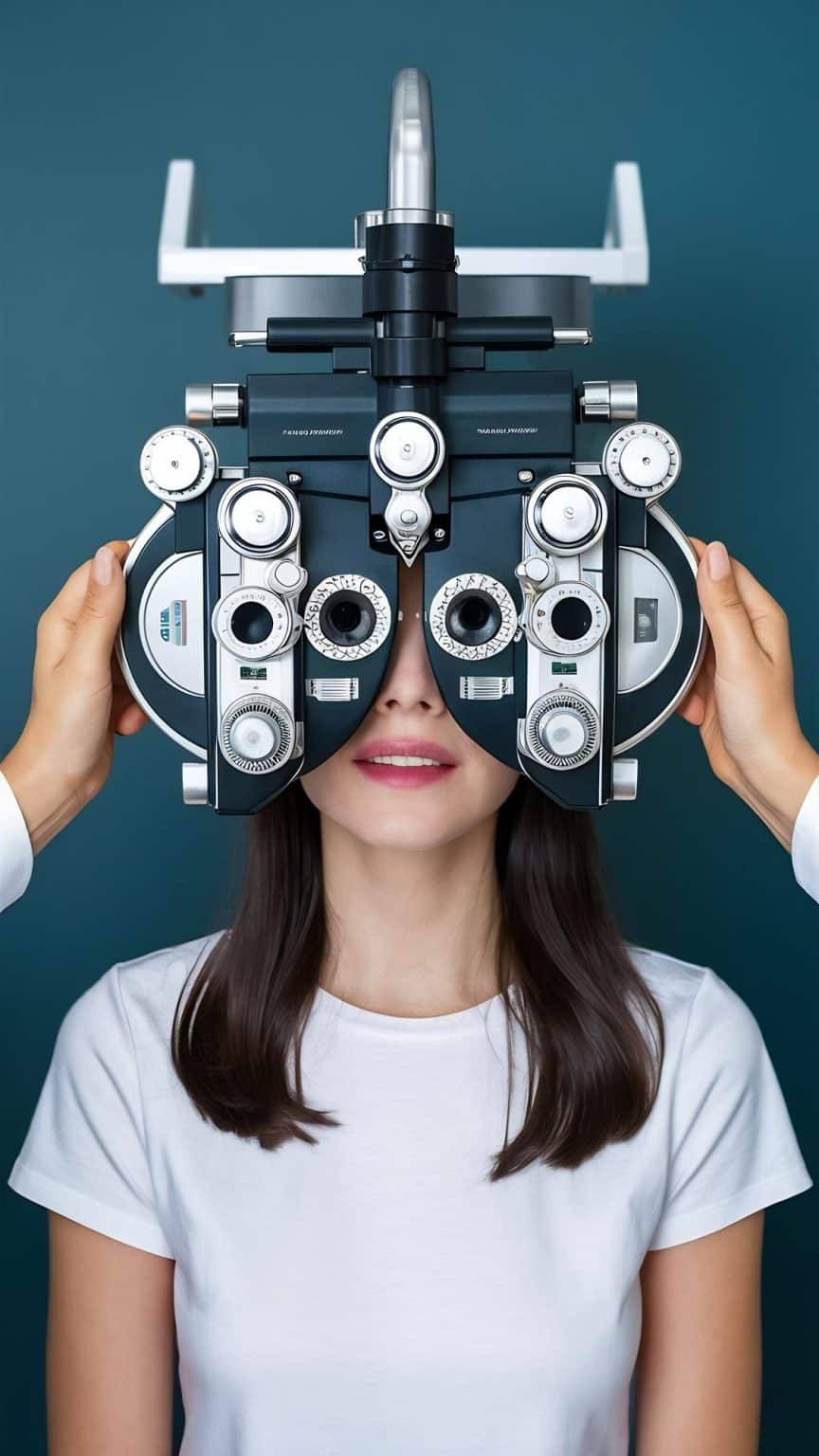
A comprehensive eye examination is one of the simplest ways to protect your sight — catching many conditions well before you’d ever notice symptoms yourself. It’s a detailed assessment of your vision and overall eye health, not just a check of your glasses prescription. At Optometry Outlet, our experienced optometrists take the time to properly assess your eyes in a relaxed, unhurried appointment.
Our experienced optometrists take the time to properly assess your vision, eye health, and prescription requirements, and screen for common eye conditions such as glaucoma, cataracts, macular degeneration, and diabetic eye disease – all in a relaxed, unhurried appointment.
Best of all, most comprehensive eye examinations are fully bulk billed through Medicare for eligible Medicare card holders, meaning there is no out-of-pocket cost for your appointment.
Why Regular Eye Examinations Matter
Many eye conditions develop gradually and may not cause symptoms until permanent vision damage has already occurred. Regular, comprehensive eye examinations help catch problems early – often before you’d notice anything is wrong.
Early detection
Many serious eye conditions, like glaucoma, have no early warning signs and can only be picked up through examination
Accurate, Up-to-Date Prescriptions
Regular exams ensure your glasses or contact lens prescription is current, giving you the clearest and most comfortable vision possible.
Whole-Eye Health Screening
Eye examinations can reveal early signs of broader health conditions, including diabetes and high blood pressure, often before symptoms appear elsewhere in the body.
Support at Every Life Stage
From a child's visual development to age-related changes in adulthood, regular eye checks help protect vision and quality of life at every age.
Common Eye Conditions.
Symptoms, Causes & When to Seek Help
Your eyes play an essential role in everyday life, yet many eye conditions develop gradually and without obvious symptoms. Regular eye examinations can help detect problems early, protect your vision, and support long-term eye health. Below are some of the most common eye conditions we see in optometry practice.
Cataracts
A cataract occurs when the natural lens inside the eye becomes cloudy, causing blurred or hazy vision. Cataracts are most commonly related to ageing but may also develop due to diabetes, UV exposure, smoking, or certain medications.
Common symptoms:
- Blurry or cloudy vision
- Increased glare from lights
- Difficulty driving at night
- Colours appearing faded
- Frequent prescription changes
Cataracts usually develop slowly and can often be managed with updated glasses initially. When vision significantly affects daily activities, cataract surgery may be recommended.
Pterygium
A pterygium is a fleshy growth on the white part of the eye that can extend onto the cornea. It is commonly associated with long-term exposure to sunlight, wind, dust, and dry environments.
Common symptoms:
- Redness or irritation
- Dry or gritty sensation
- Cosmetic concerns
- Blurred vision if the growth progresses
Wearing sunglasses and lubricating eye drops may help reduce irritation. In advanced cases, surgical removal may be considered.
Dry Eye
Dry eye is a very common condition where the eyes do not produce enough tears, or the tears evaporate too quickly.
Common symptoms:
- Burning or stinging eyes
- Watery eyes
- Fluctuating vision
- Grittiness or discomfort
- Eye fatigue, especially with screens
Dry eye can be influenced by age, screen use, air conditioning, medications, and underlying health conditions. Treatment options may include lubricating drops, warm compresses, lifestyle adjustments, or prescription therapies.
Glaucoma
Glaucoma is a group of eye diseases that damage the optic nerve, often due to elevated eye pressure. It is one of the leading causes of irreversible blindness.
Important facts:
- Often develops without early symptoms
- Peripheral vision loss may occur gradually
- Family history increases risk
- Early detection is critical
Regular eye examinations are essential because glaucoma can often be detected before noticeable vision loss occurs.
Macular Degeneration
Age-related macular degeneration (AMD) affects the macula, the central part of the retina responsible for detailed vision.
Common symptoms:
- Distorted or blurry central vision
- Difficulty reading
- Reduced ability to recognise faces
- Dark or empty spots in central vision
Risk factors include ageing, smoking, genetics, and cardiovascular disease. Early diagnosis and ongoing monitoring are important for preserving vision.
Retinal Detachment
Retinal detachment is a serious eye emergency where the retina separates from the back of the eye.
Warning signs:
- Sudden flashes of light
- New floaters
- A shadow or curtain over vision
- Sudden vision loss
Immediate treatment is essential to reduce the risk of permanent vision loss. If you experience these symptoms, seek urgent eye care immediately.
Diabetic Retinopathy
Diabetic retinopathy occurs when diabetes damages the small blood vessels in the retina. It is a leading cause of vision loss in adults.
Risk factors:
- Poor blood sugar control
- Long-term diabetes
- High blood pressure
- High cholesterol
Common symptoms:
- Blurred vision
- Floaters
- Fluctuating vision
- Vision loss in advanced stages
Many people have no early symptoms, making regular diabetic eye examinations extremely important.
Ready to See Clearly?
Reach Out Today.
We Accept All Major Health Funds